Fermentation and Earth: The Secret Cellars of Uji
Entering the cool, fragrant subterranean vaults where generations have nurtured the subtle umami alchemy of Japanese green leaves.
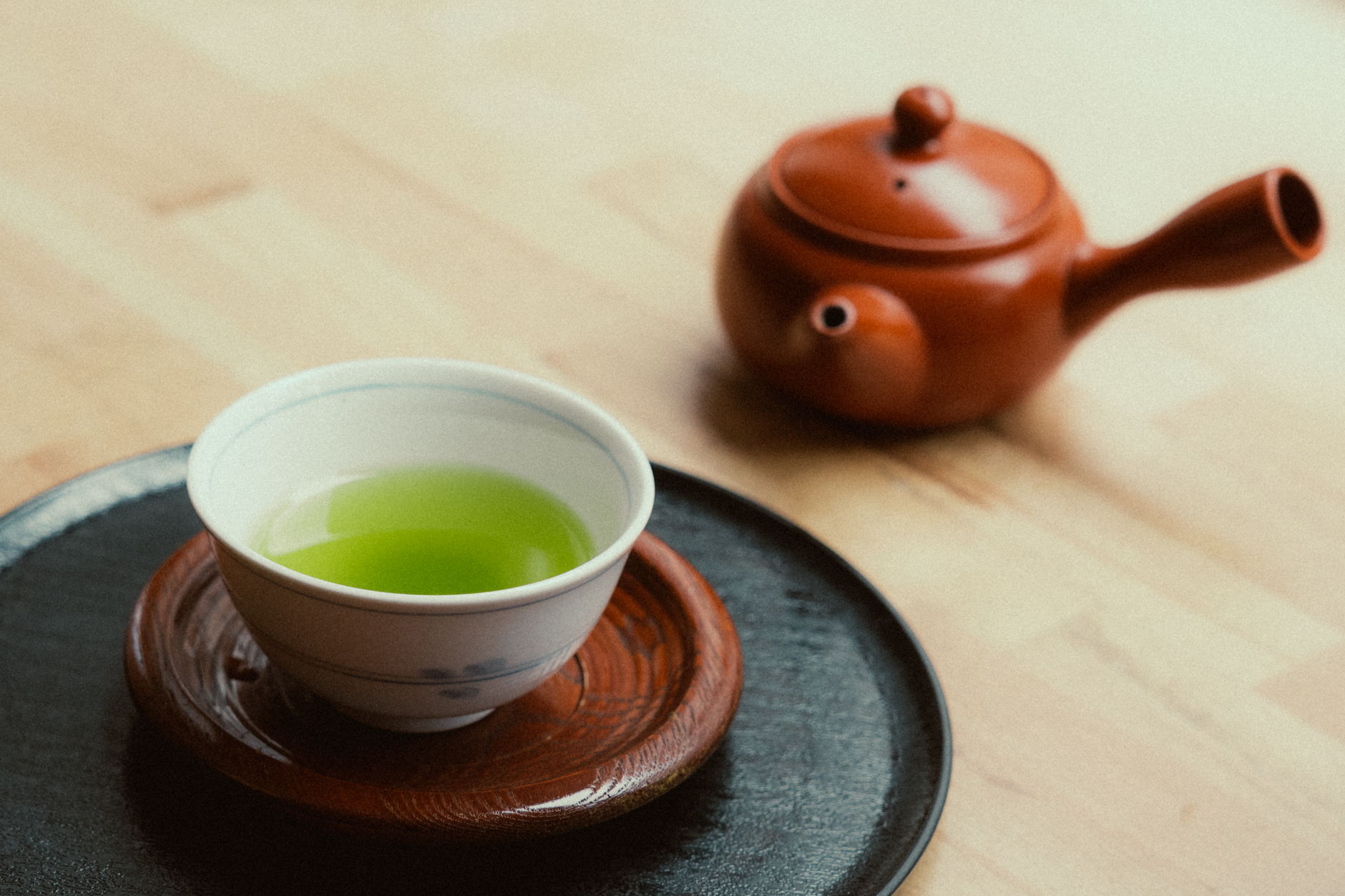
To cross the threshold of an ancestral kura in the misty outskirts of Uji is to understand time not as a digital countdown, but as a microbial current. The floor consists of packed river clay; the walls are rendered with lime plaster and rice straw that absorb and release moisture in synchrony with the passing monsoons.
The Memory of Soil
The tea shrubs here do not grow in sterile commercial rows. Their root systems plunge deep into decomposed granite and alluvial sediments laid down by the Uji River over millennia. This mineral density translates directly into the cup as an unmistakable saline depth—a tactile reminder that true gastronomy is geologically grounded.
The Shadow of Reed Mats
Three weeks before harvest, workers suspend traditional honzu screens—woven of river reeds and rice straw—above the bushes. This shading triggers a biochemical transformation: photosynthesis slows, causing chlorophyll to surge while l-theanine accumulates, preventing bitterness and creating silky sweet vegetal profiles.
"Quality tea cannot be forced by speed. It requires shadows, cold underground cellars, and the discipline of listening to moisture."
Microclimate Aging Vaults
While mainstream green tea is consumed immediately post-roast, the prized tencha harvested for matcha is historically aged inside unglazed pottery jars sealed with handmade mulberry paper. Held in subterranean cellars at an unchanging 12 degrees Celsius, the sharp tannins mellow into rich, walnut-like aromas.
Tasting Time
In our private tastings with Master Tanaka, a twelfth-generation tea artisan, each bowl was prepared with spring water drawn that same morning from a hillside shrine. The experience is meditative, emphasizing that the mindful traveler is not merely an observer, but a participant in a living ritual of gratitude.
Explore Our Kyoto Field Notes
Access our curated directory of heritage tea gardens and small pottery kilns willing to accept respectful international visitors.
Access Directory